
🥚 Desi Eggs vs. White Eggs: The Definitive Nutritional Showdown (Why Brown is Better) 🥇
Are Desi eggs truly superior to factory-farmed white eggs? Dive into the ultimate nutritional comparison, exploring protein, Omega-3s, and the hidden power of the deeper yolk color! Find out why choosing brown is better for your health
10/2/20253 min read
Introduction
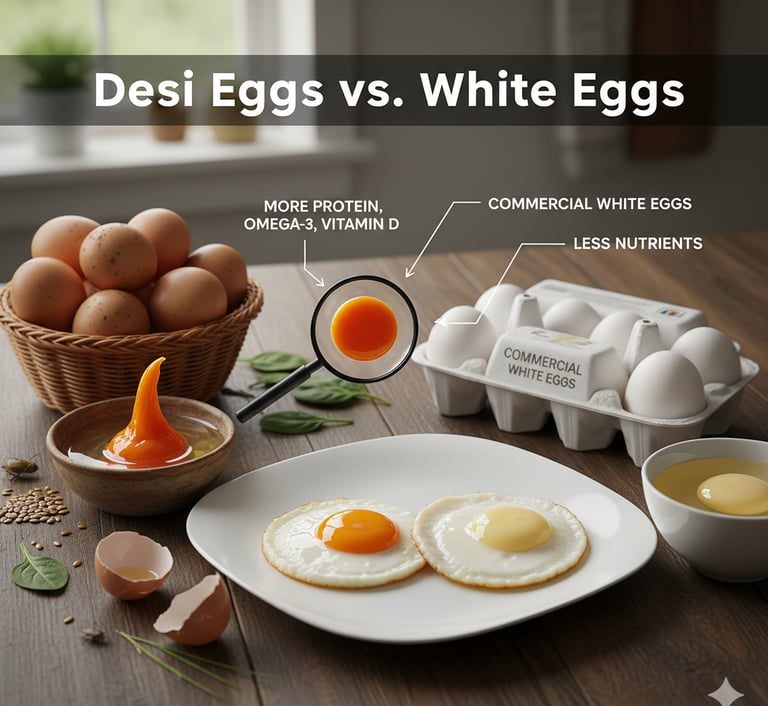
There is an age-old debate that crackles in kitchens across India: when it comes to breakfast, are Desi Eggs (often brown) truly healthier than their popular, commercial White Eggs counterparts? For years, the simple white egg has been a staple, but a growing number of health-conscious consumers are actively making the switch to the desi egg, also known as the country egg or gavran and nati egg.
It’s more than just shell color; it’s about the difference between a stressed, cage-raised chicken and a free-roaming desi hen! In this definitive nutritional showdown, we’re cracking open the facts. We will look past the marketing and analyze the protein, the vitamins, and the all-important Omega-3 content to determine, once and for all, why opting for brown desi eggs is the superior choice for your family’s health
The Fundamental Difference: It Starts with the Hen
Before we compare the nutritional output, we must understand the input. The vast disparity in quality between desi eggs and regular white eggs stems almost entirely from the hen's lifestyle
The White Egg (Commercial Poultry)
Diet: Primarily standardized feed (pellets) with limited nutritional variety.
Lifestyle: Confined to small cages (battery cages), leading to high-stress conditions.
Result: Eggs are uniform in size and color but often lack the rich mineral density found in eggs from foraging birds.
The Desi Egg (Country/Free-Range)
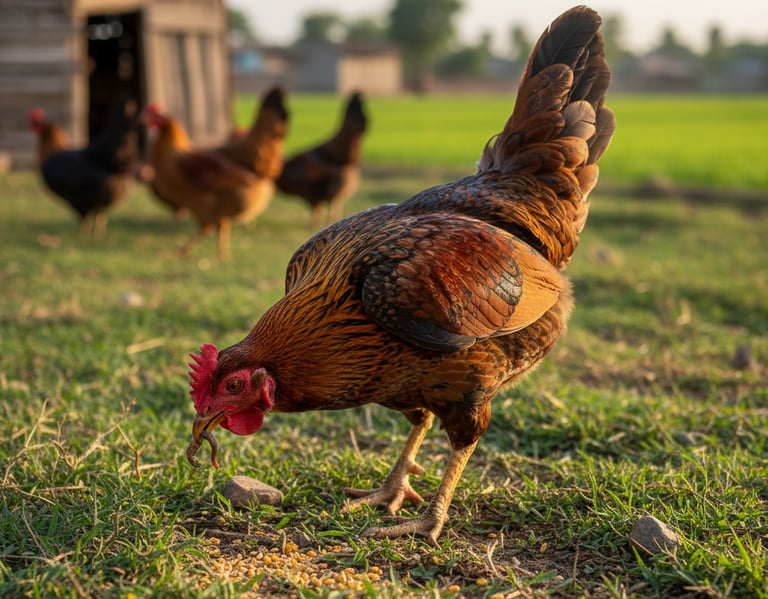
Diet: A natural, varied diet consisting of grass, worms, seeds, insects, and commercial feed supplements. This foraging process is key to their superior nutrition.
Lifestyle: Free-roaming (free-range), allowing the hens to move, peck, and live in a low-stress, natural environment.
Result: Eggs are smaller, have harder shells, and feature that characteristic, deeply colored yolk—a direct indicator of nutrient richness!
The Ultimate Nutritional Comparison Table
This is where the rubber meets the road! While the USDA states that all eggs are generally similar, a closer look at the actual micronutrient profile of genuine desi eggs tells a very different story, especially when focusing on the fat-soluble vitamins and fatty acids.
Decoding the Desi Egg Yolk: The Color of Health
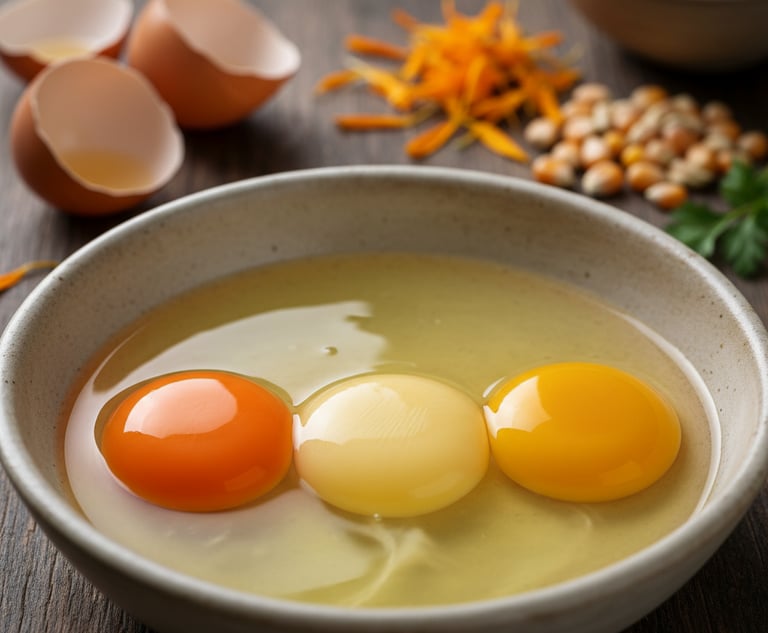
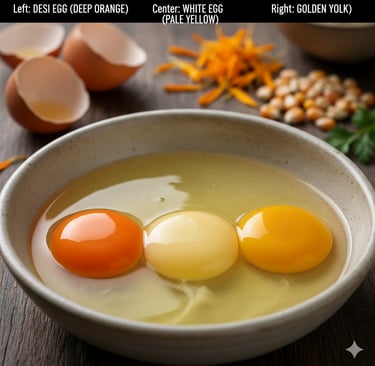
The single most striking difference is the yolk. Why is the desi egg yolk colour so much deeper—ranging from dark yellow to vibrant orange? This isn't a trick of the light; it’s a nutritional fact!
Carotenoids: The deep colour comes from Carotenoids, which are powerful antioxidants found in the green grasses, corn, and seeds that free-range hens consume. These are vital for eye health.
Xanthophylls: These pigments are critical for vision and are what gives the yolk its saturated, intense hue.
Flavor Profile: This varied diet also gives the desi egg a distinctively richer, earthier, and more robust taste that commercially farmed eggs simply cannot match.
Making the Commercial Choice: How to Identify Original Desi Eggs
Since the word "Desi" isn't a regulated term, you need to know what to look for when you are buying desi eggs online or at a market. This is your insurance policy against overpaying for ordinary brown eggs!
Look at the Shell: Genuine desi eggs will often have a harder, thicker shell and may be slightly more varied in color and size.
Check the Price: Authentic free-range farming is more labor-intensive. If the price is too close to commercial eggs, it's likely not the real deal.
Inspect the Yolk: If possible, break one. The yolk should stand up high and firm, with a deep orange or golden-yellow color. Pale yolks are a red flag

The nutritional showdown ends with a clear winner: Desi Eggs are, without a doubt, the superior choice.
Choosing a country egg means opting for a product that is richer in anti-inflammatory Omega-3s, vital Vitamin D, and powerful antioxidants—all thanks to the natural, free-range lifestyle of the hen.
For a true upgrade to your health, your recipes, and your taste buds, it’s time to move beyond the commercial white egg. Make the switch to the nutrient-dense, flavorful, and genuinely better brown desi egg today!